
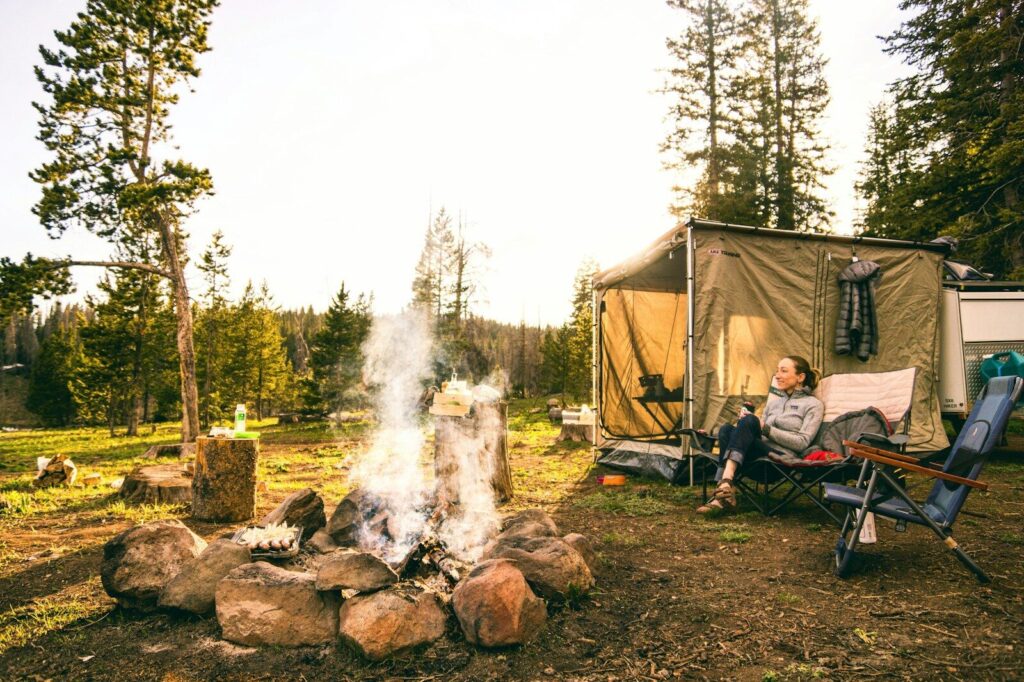
Primitive camping means camping with few or no developed services such as electricity, running water, showers, or sewer hookups. Learn where to camp, what to pack, how to handle water and waste, and how to leave a low-impact campsite.
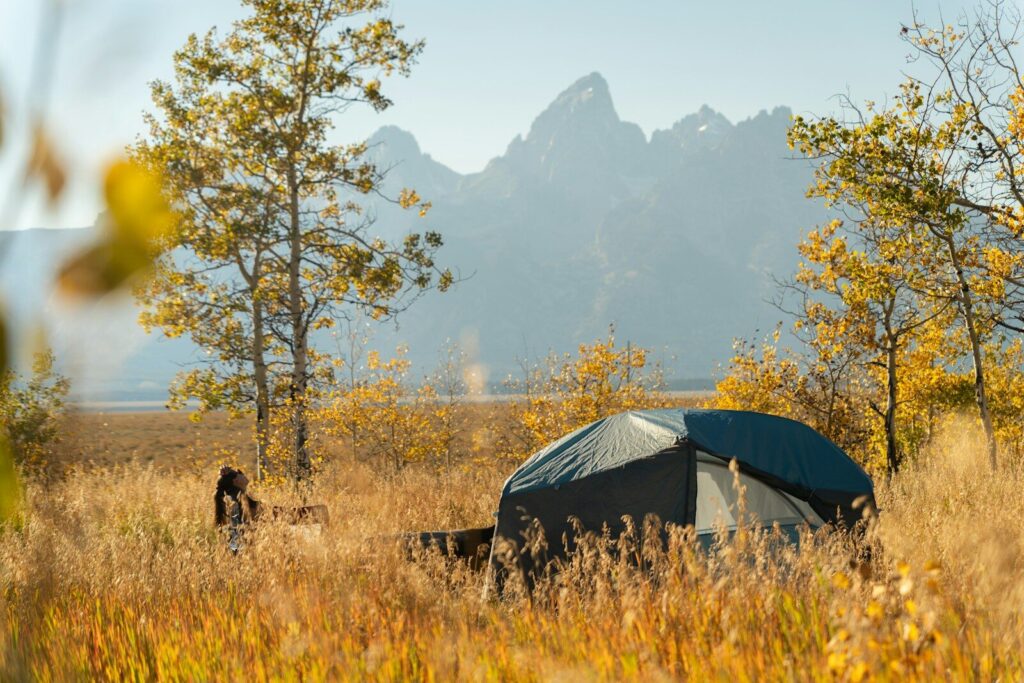
Backcountry camping means carrying what you need beyond easy vehicle access. Learn the difference from primitive camping, essential gear, water and food safety, permits, waste rules, campfires, and low-impact campsite practices.
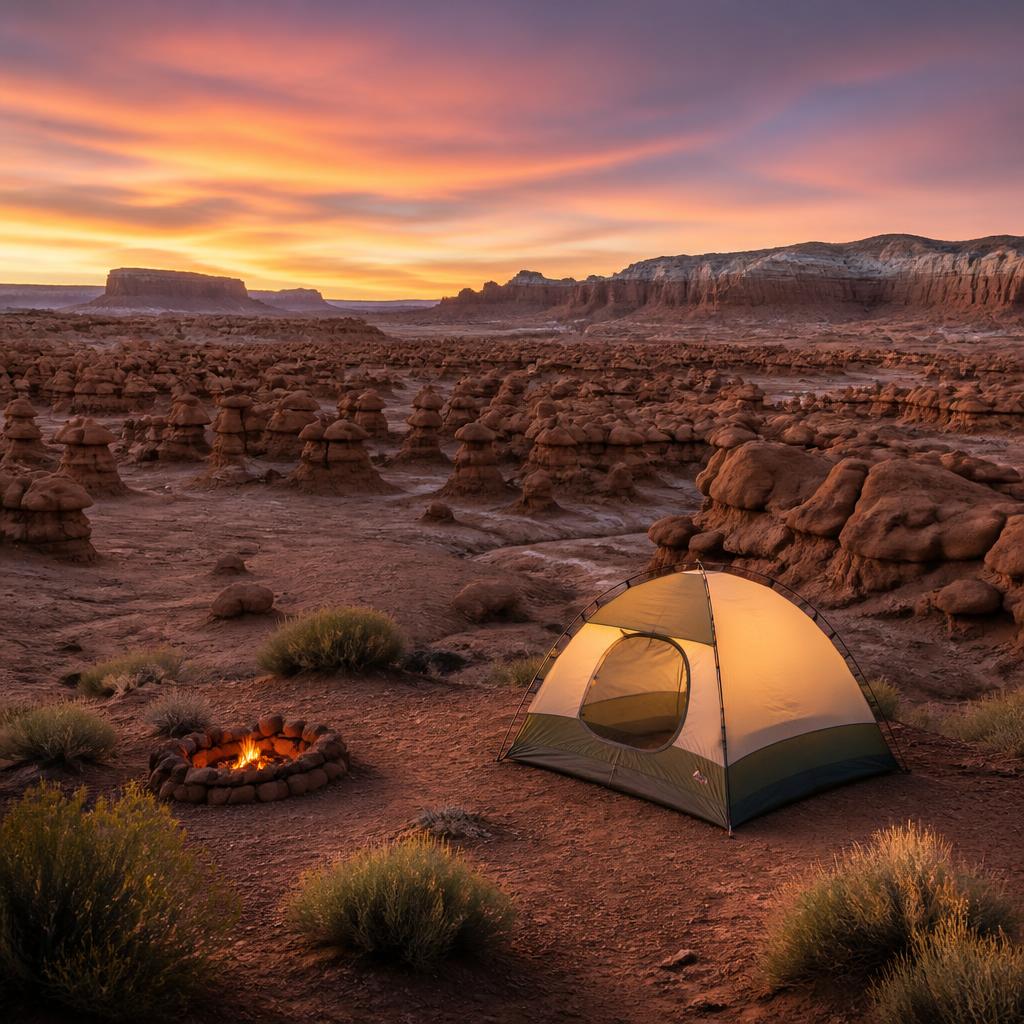
Plan a Goblin Valley State Park camping trip with current 2026 campsite fees, reservation windows, primitive camping options, fire restrictions, desert heat safety, hiking advice, and practical packing tips.
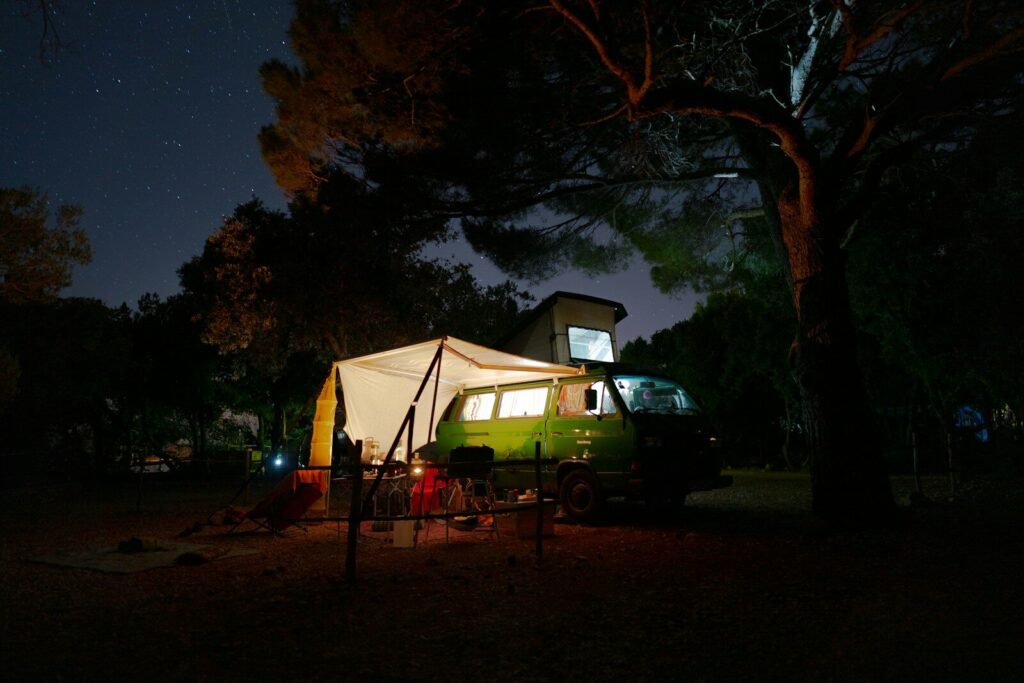
Learn how to power a CPAP while camping with portable batteries, DC adapters, solar charging, campsite electricity, and safe backup plans for real camp nights.
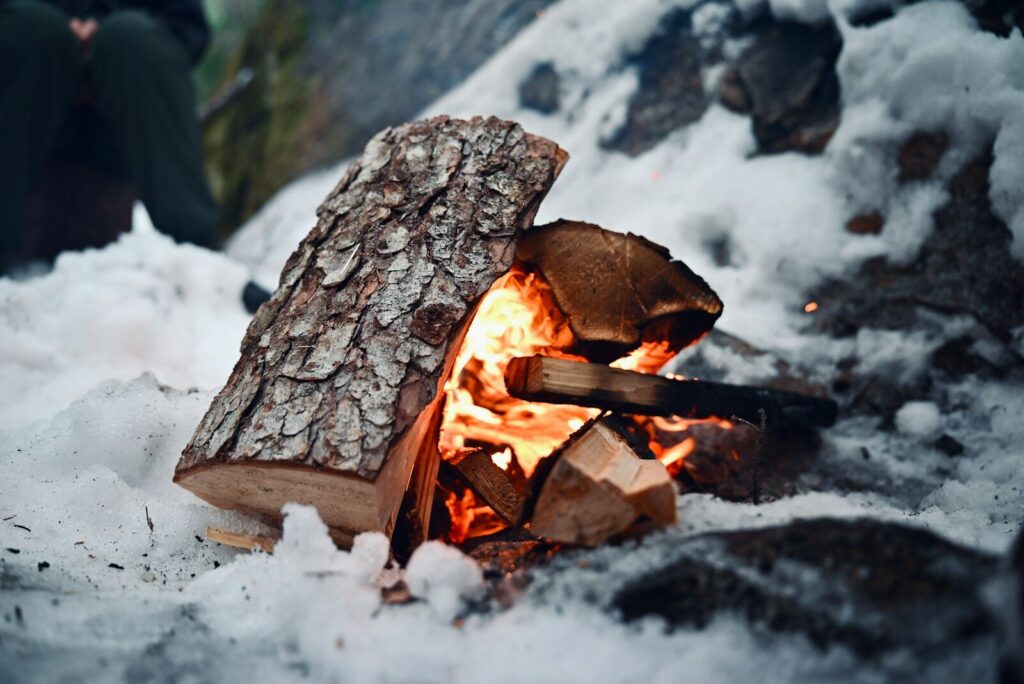
Plan safer camping trips during wildfire season with practical guidance on burn bans, camp stoves, smoke and AQI, vehicle sparks, evacuation planning, and fire-safe camp habits.

Protect yourself from ticks while hiking, camping, hunting, and fishing with current 2026 guidance on repellents, permethrin-treated clothing, tick checks, safe removal, pets, Lyme disease, and alpha-gal syndrome.
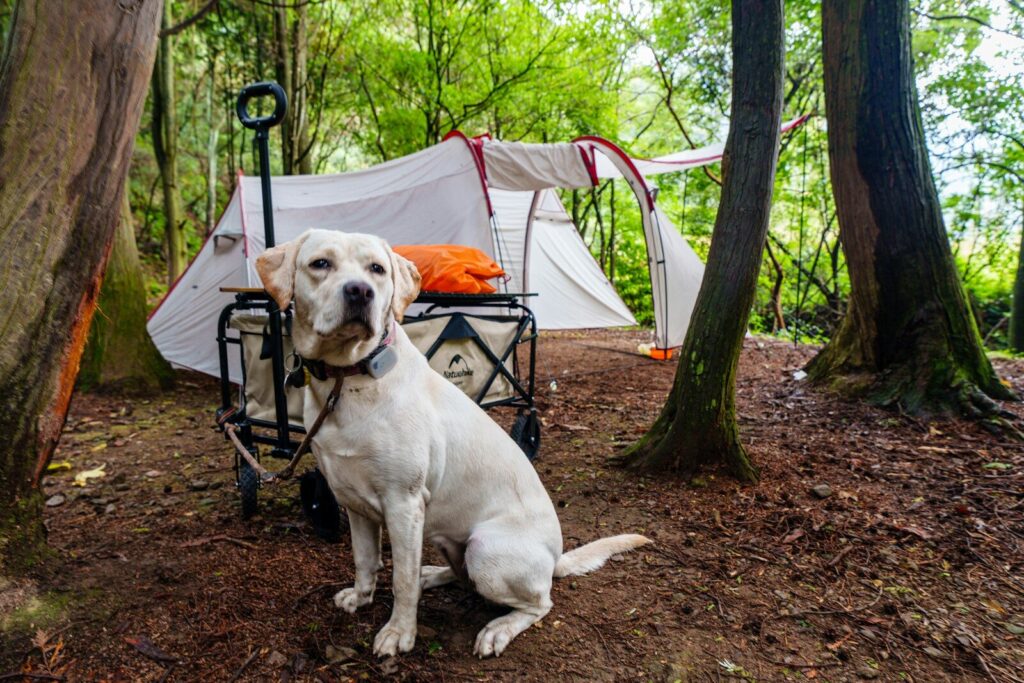
Camping with a dog takes more than a leash and food bowl. Learn how to choose a dog-friendly campsite, pack the right gear, manage heat and ticks, protect wildlife, follow leash rules, and keep camp comfortable for everyone.
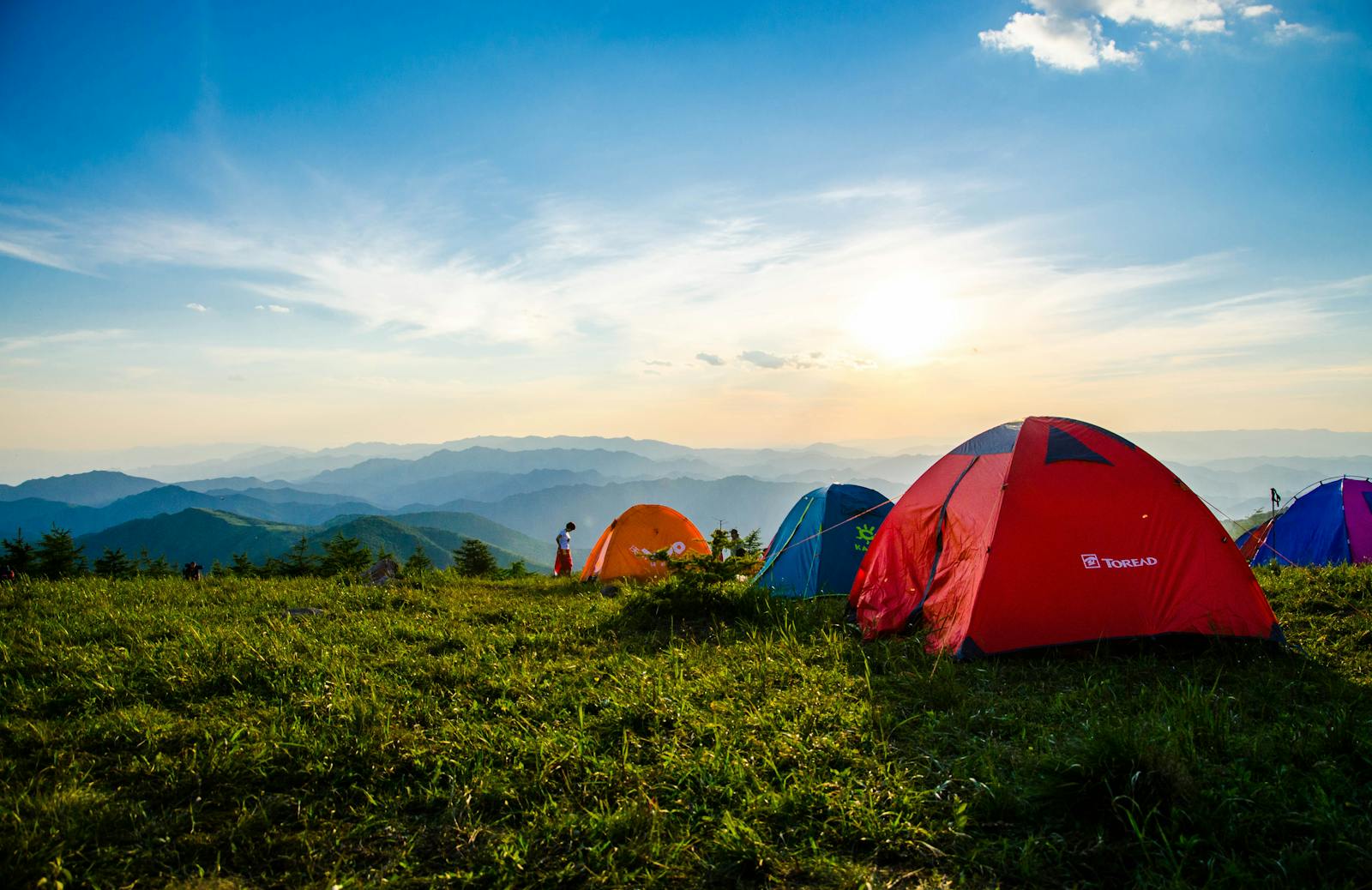
Boondocking means camping without hookups, usually in undeveloped places where overnight use is legal. Learn how to find a site, manage water, power and waste, follow BLM rules, stay safe, and leave a light footprint.
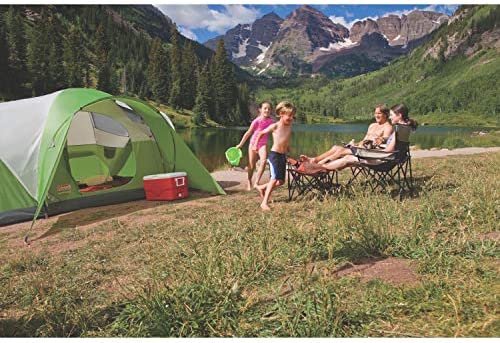
Simple camping tips for beginners. Learn how to plan, pack, choose a campsite, sleep well, handle food and water, manage fires, and leave camp clean.
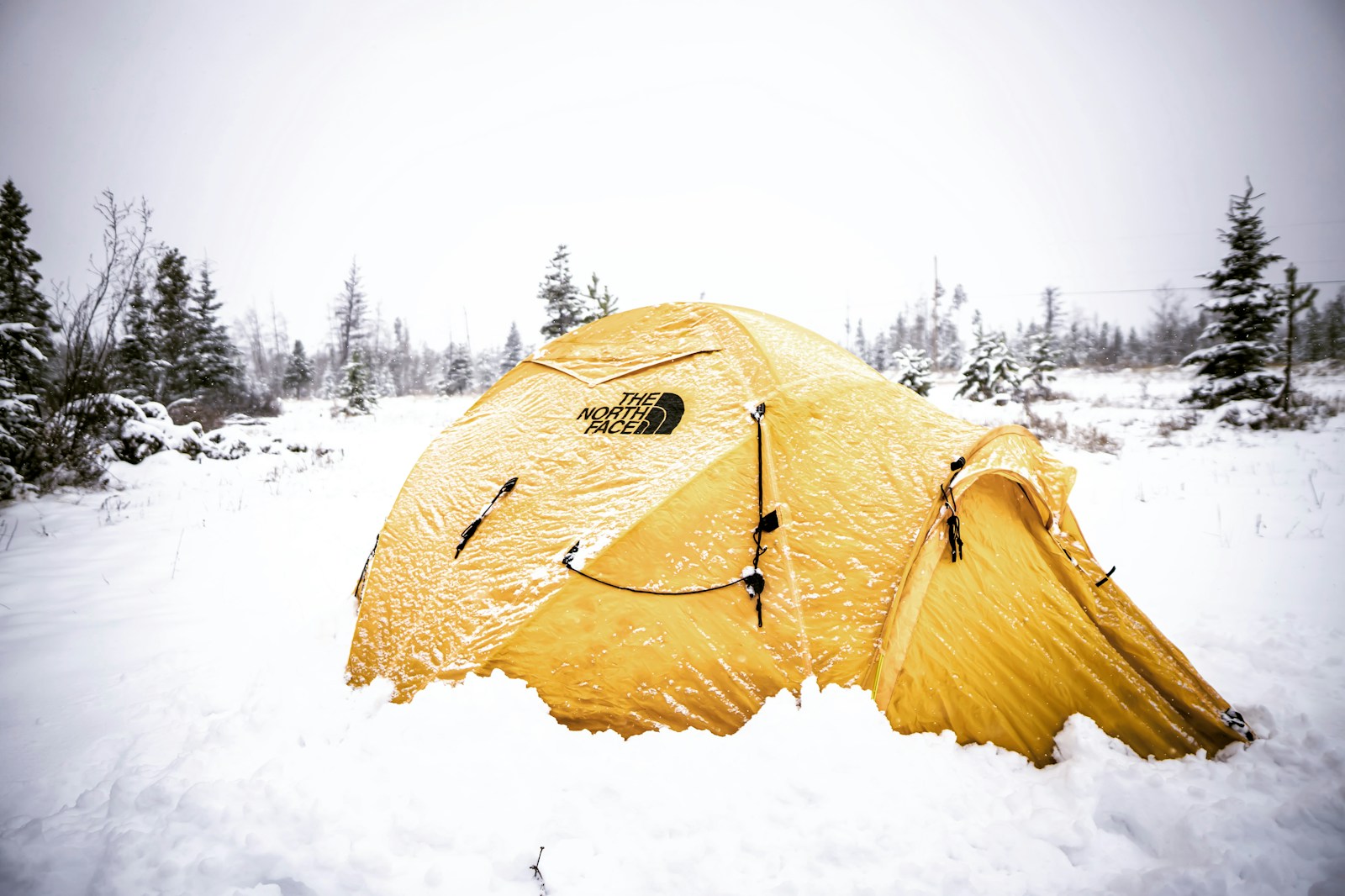
Learn how to stay warmer in a tent during winter camping by improving ground insulation, blocking wind, managing condensation, choosing the right sleeping bag, and avoiding dangerous tent-heating mistakes.