
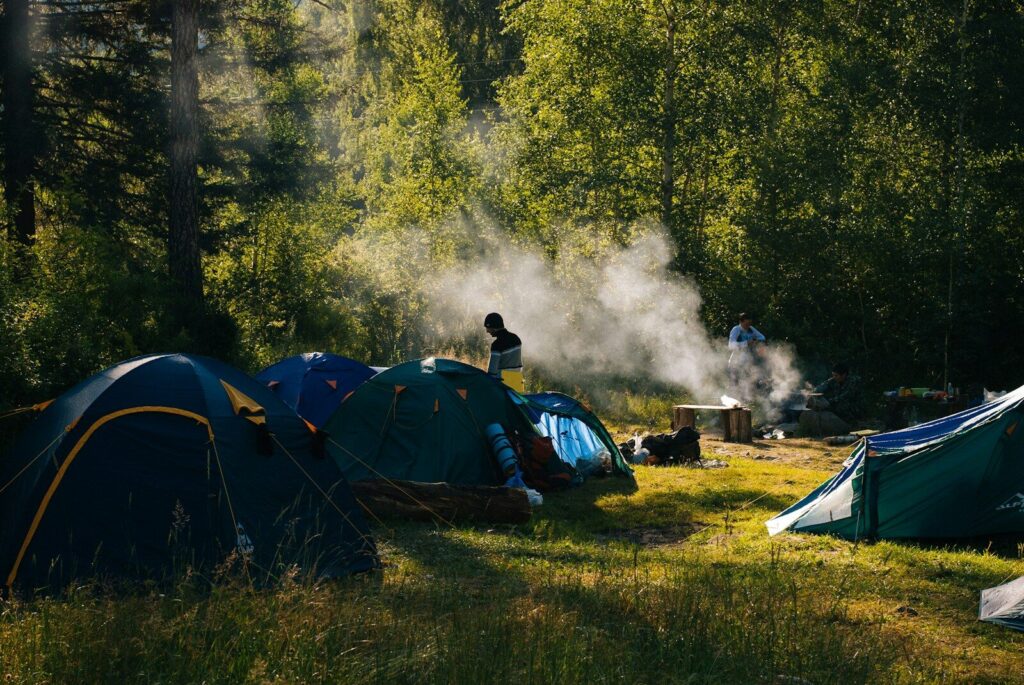
A simple camp dish system keeps food scraps out of streams, cuts odors, saves water, and leaves camp clean. Here is the field-tested way to wash dishes outdoors.
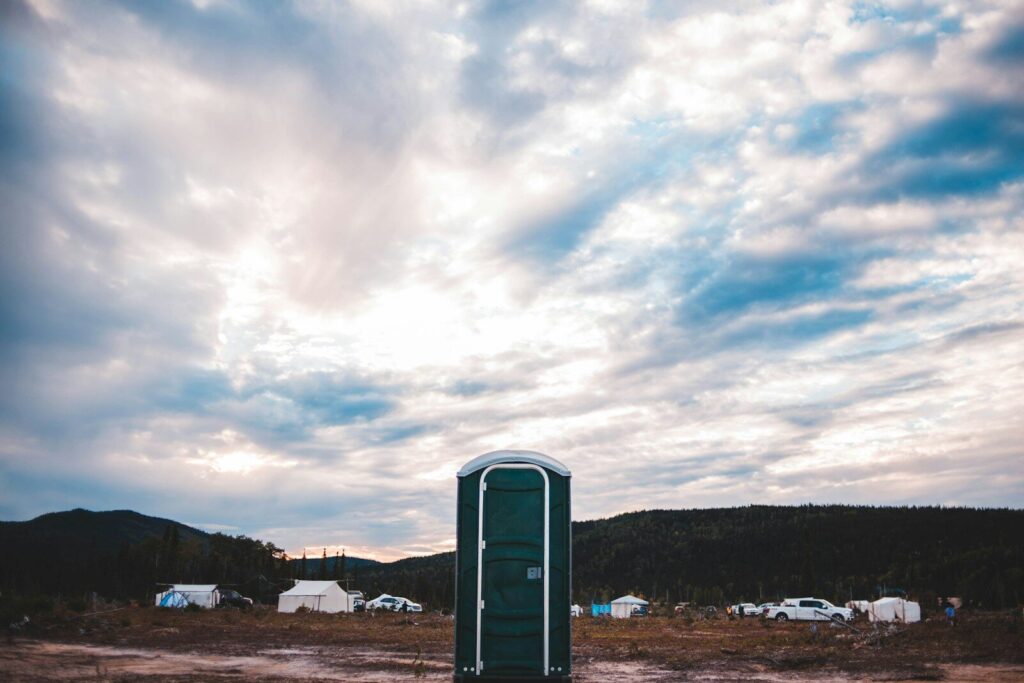
Camping toilets collect waste in a sealed tank, bag, or removable cassette. Learn how each type works, how to use it, and where the waste must go.
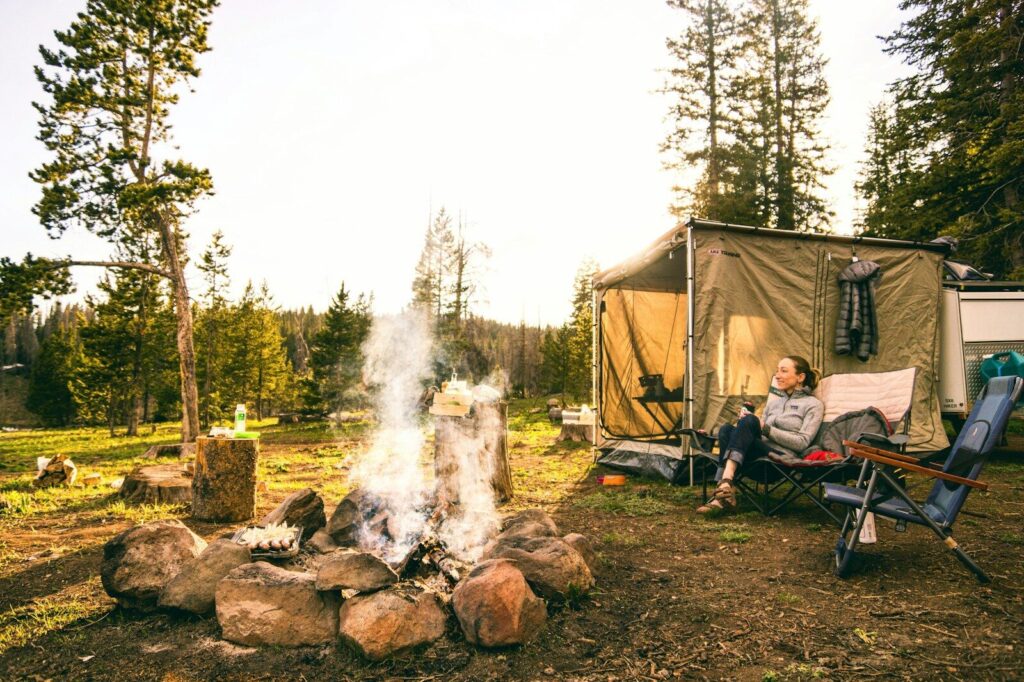
Primitive camping means camping with few or no developed services such as electricity, running water, showers, or sewer hookups. Learn where to camp, what to pack, how to handle water and waste, and how to leave a low-impact campsite.
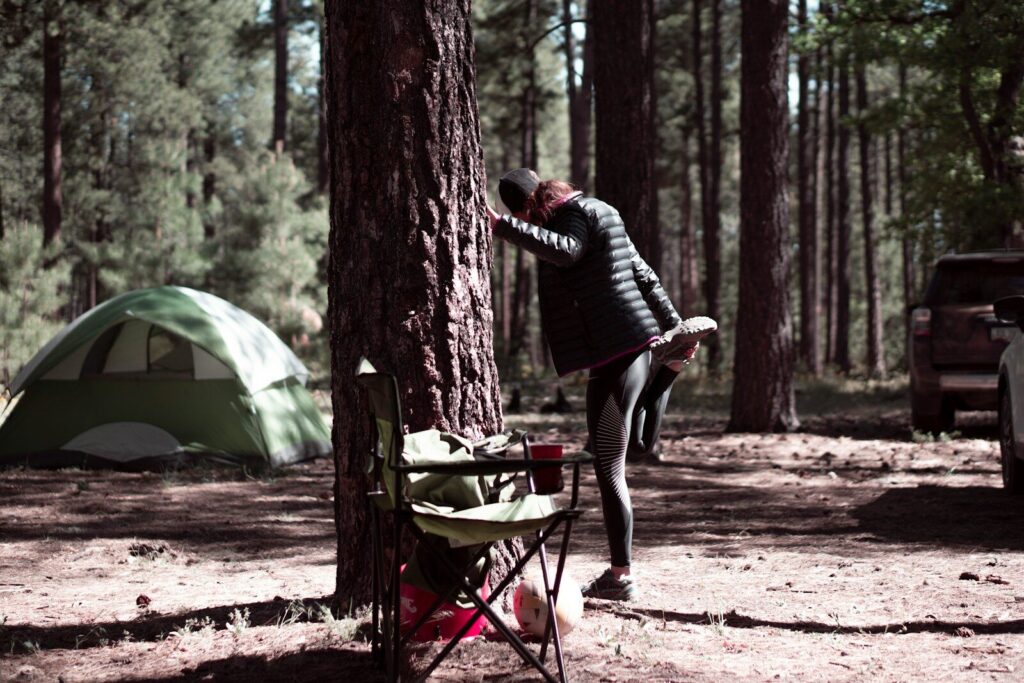
Learn how to handle human waste while camping without polluting water or leaving a mess. Covers toilets, catholes, pack-out bags, toilet paper, wipes, hygiene, site selection, and Leave No Trace basics.
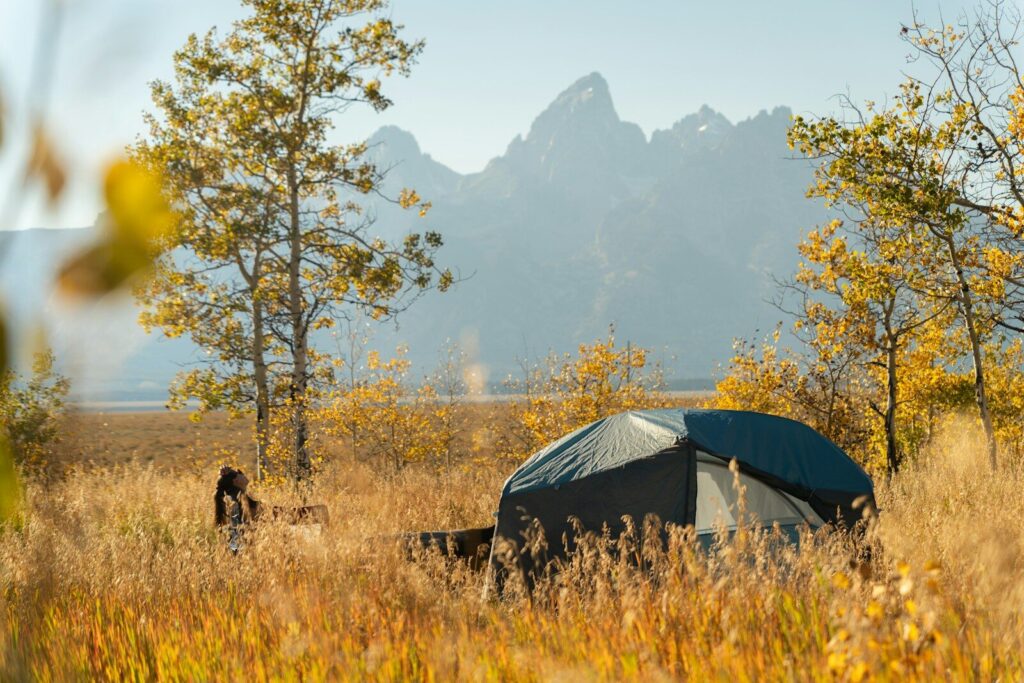
Backcountry camping means carrying what you need beyond easy vehicle access. Learn the difference from primitive camping, essential gear, water and food safety, permits, waste rules, campfires, and low-impact campsite practices.
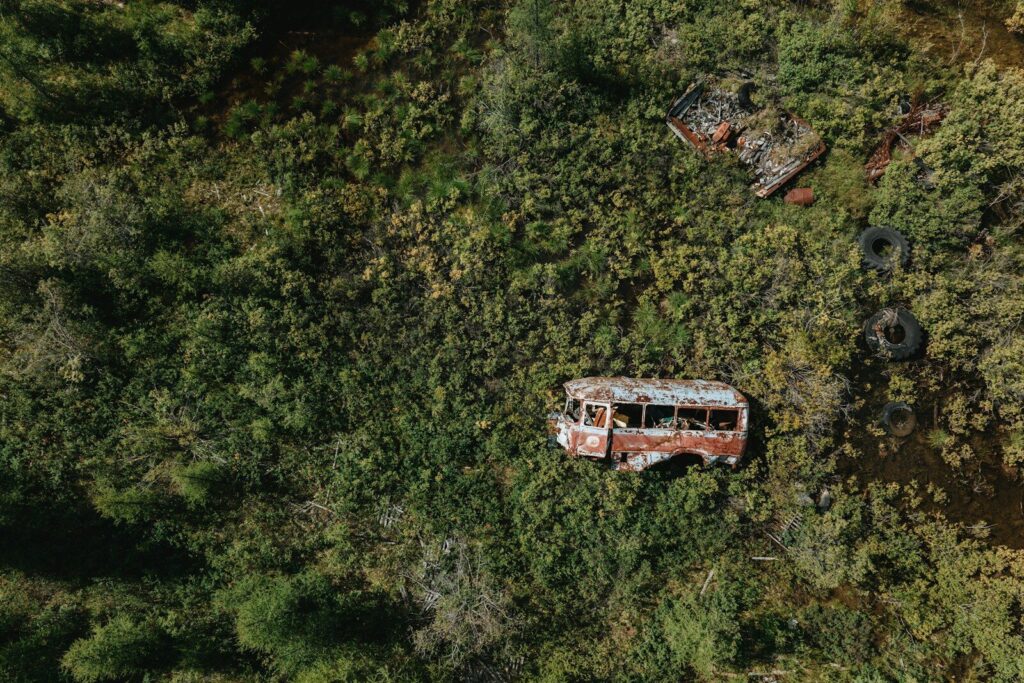
Crowded public lands require better planning. Learn how to handle permits, parking, dispersed camping, wildlife, waste, trail etiquette, and backup plans while leaving more room for wild places.
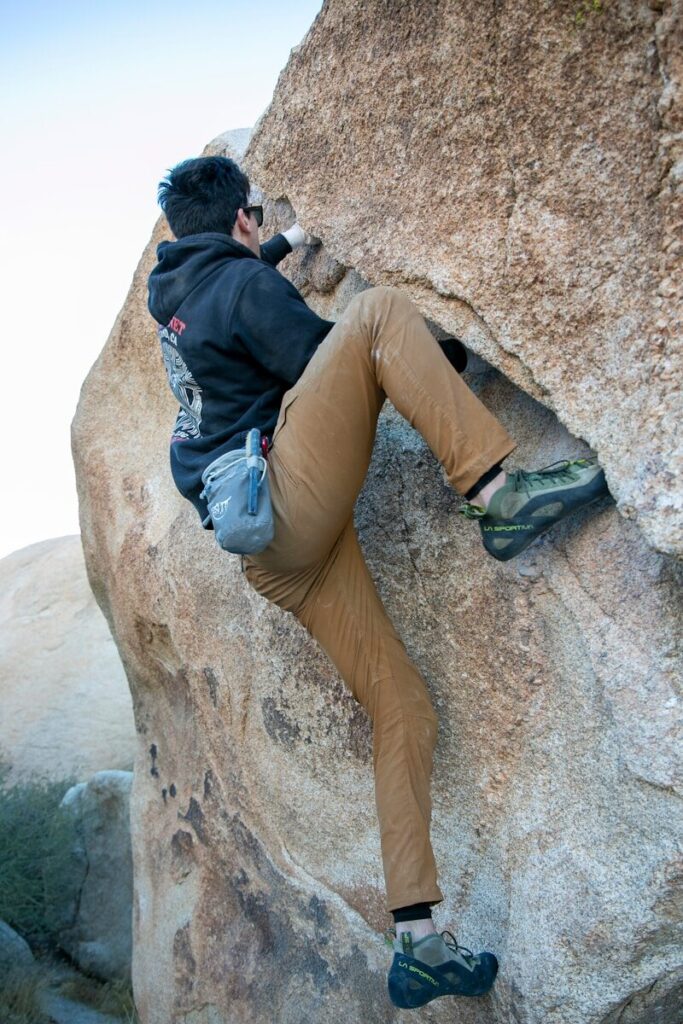
Move from indoor climbing to outdoor rock with practical guidance on professional instruction, helmets, partner checks, fixed anchors, weather, route planning, crag etiquette, wildlife closures, and low-impact climbing.
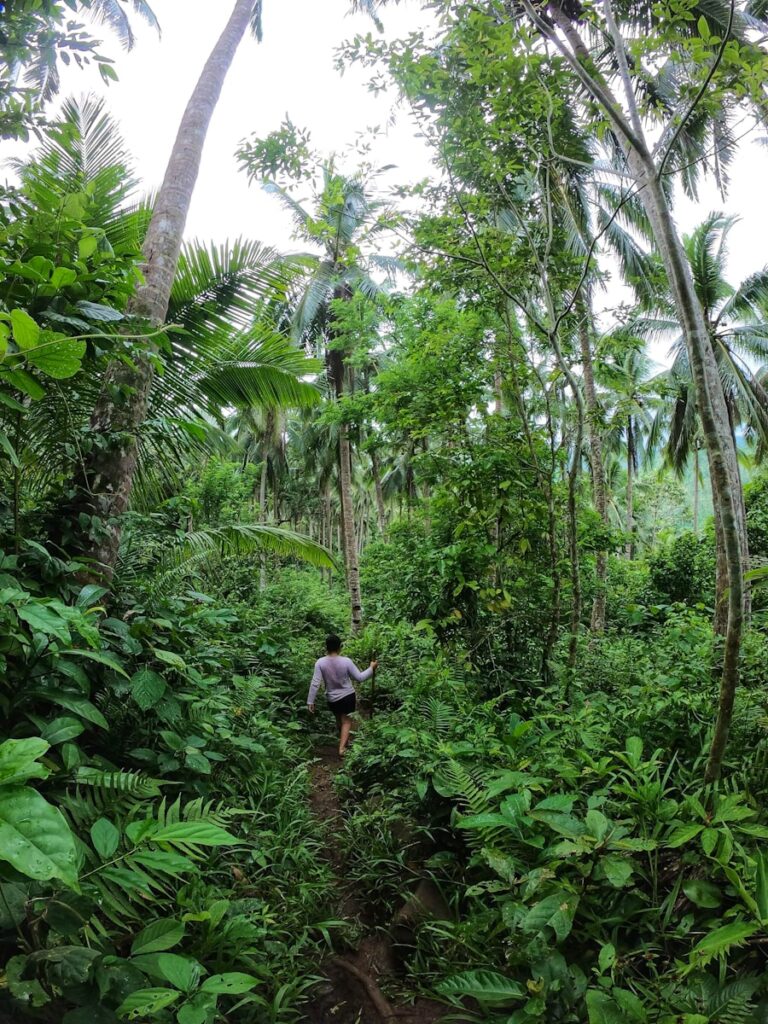
Explore 10 unforgettable nature adventures from Patagonia and Banff to Kilimanjaro, Yosemite, the Great Barrier Reef, Serengeti, Galápagos, and Antelope Canyon, with practical planning and low-impact travel advice.

Practical sustainable living ideas for busy families, from saving energy and water to reducing food waste, reusing gear, composting, and protecting the outdoors.
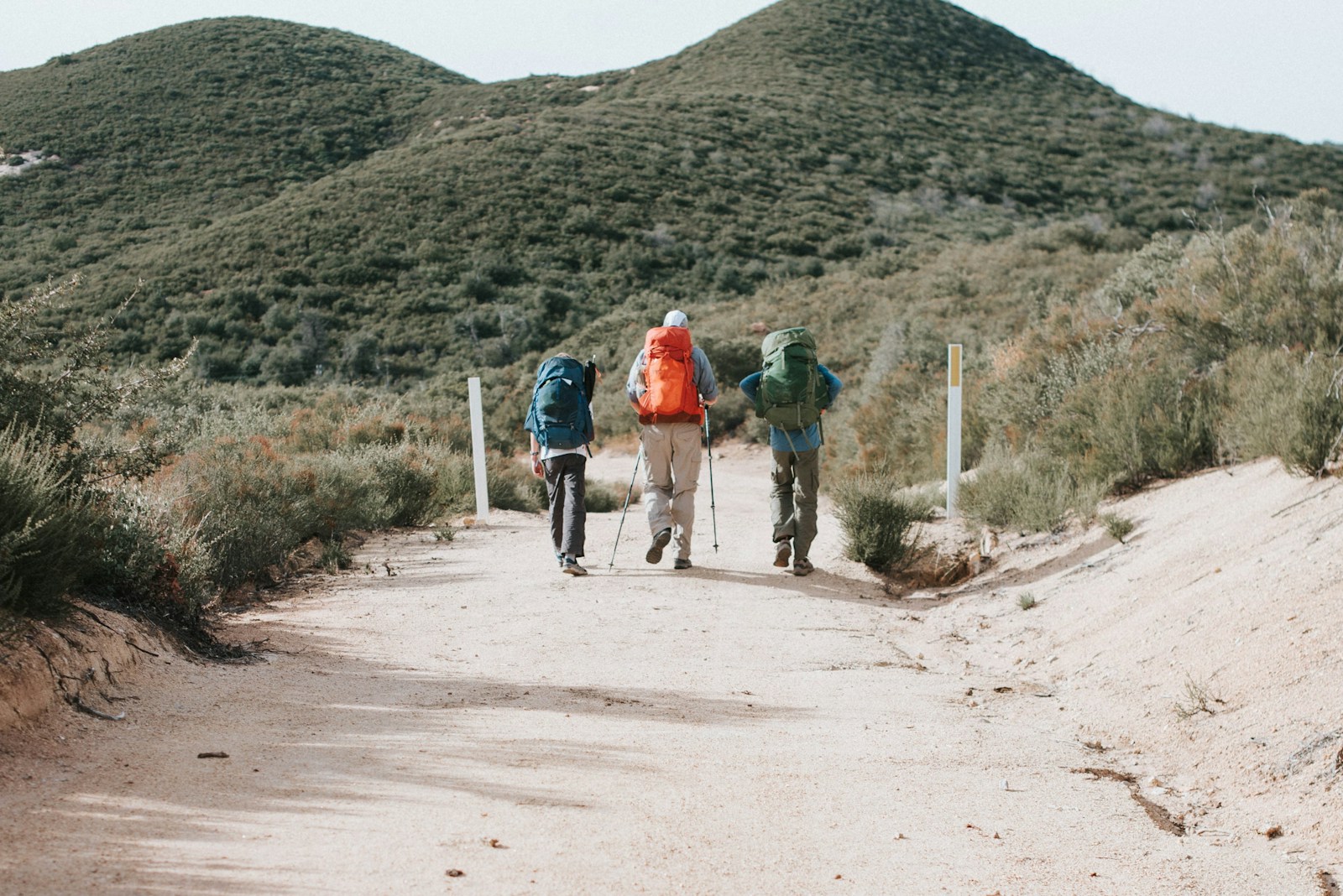
Learn simple trail etiquette for hikers, including right of way, horses, bikes, wildlife, dogs, trash, closures, noise, and low-impact hiking habits.
- 1
- 2