

Learn where arrowhead hunting may be legal, why collecting on federal land is banned, how to ask private landowners for permission, and how to protect historic sites.
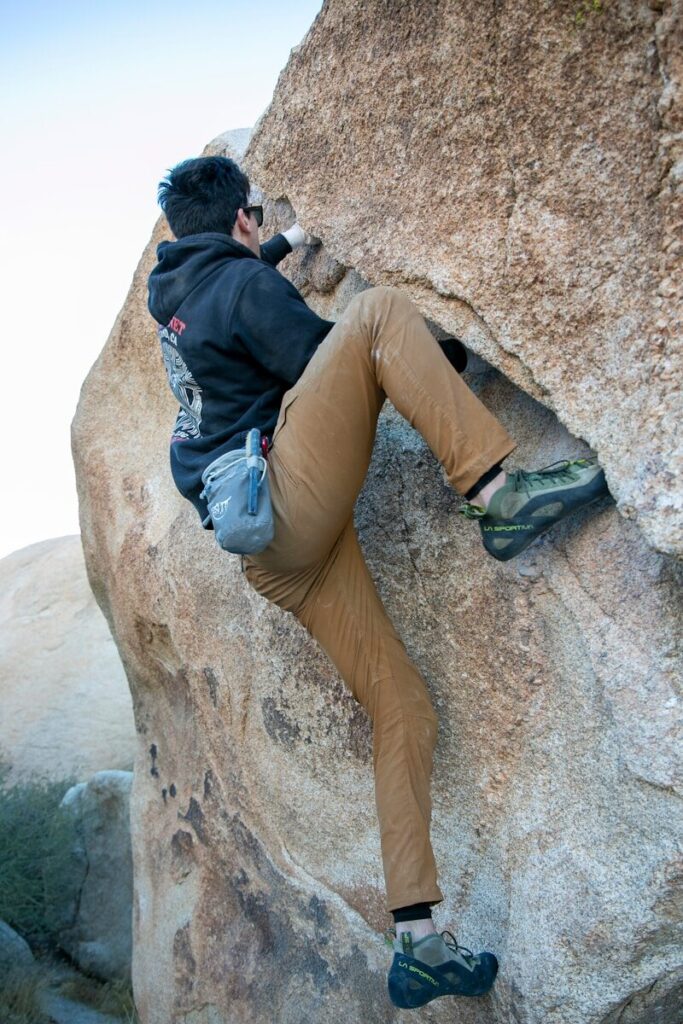
Move from indoor climbing to outdoor rock with practical guidance on professional instruction, helmets, partner checks, fixed anchors, weather, route planning, crag etiquette, wildlife closures, and low-impact climbing.
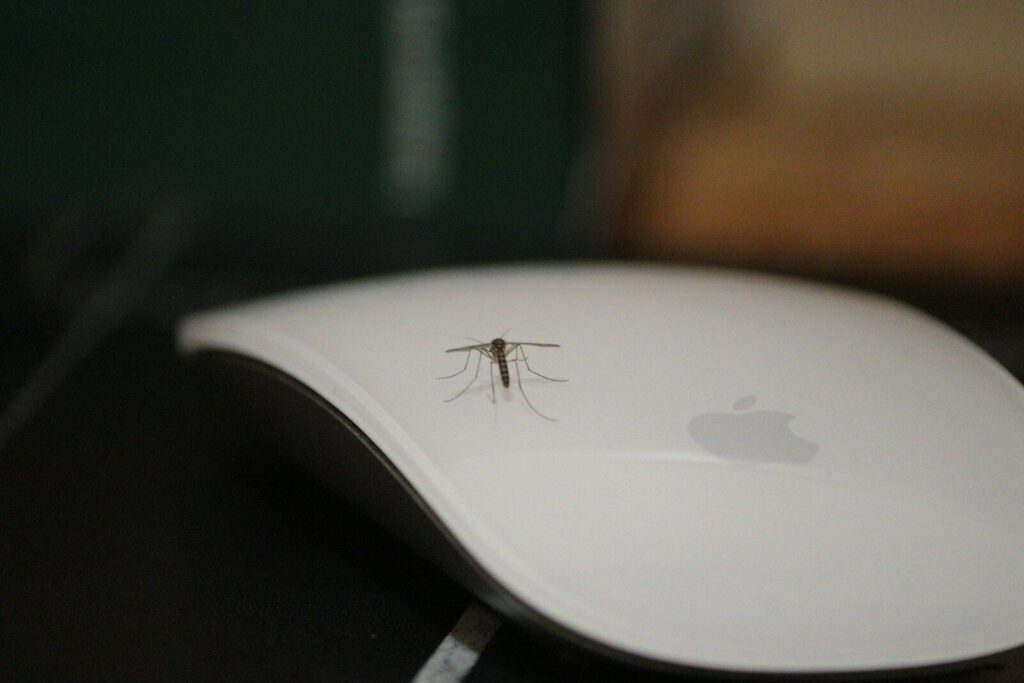
Reduce mosquitoes outdoors by removing standing water, using EPA-registered repellents, treating clothing, improving airflow, using Bti where appropriate, and avoiding ineffective yard-control gimmicks.

Learn how to become a wildlife conservationist through the right degree, field experience, technical skills, internships, and conservation career paths.
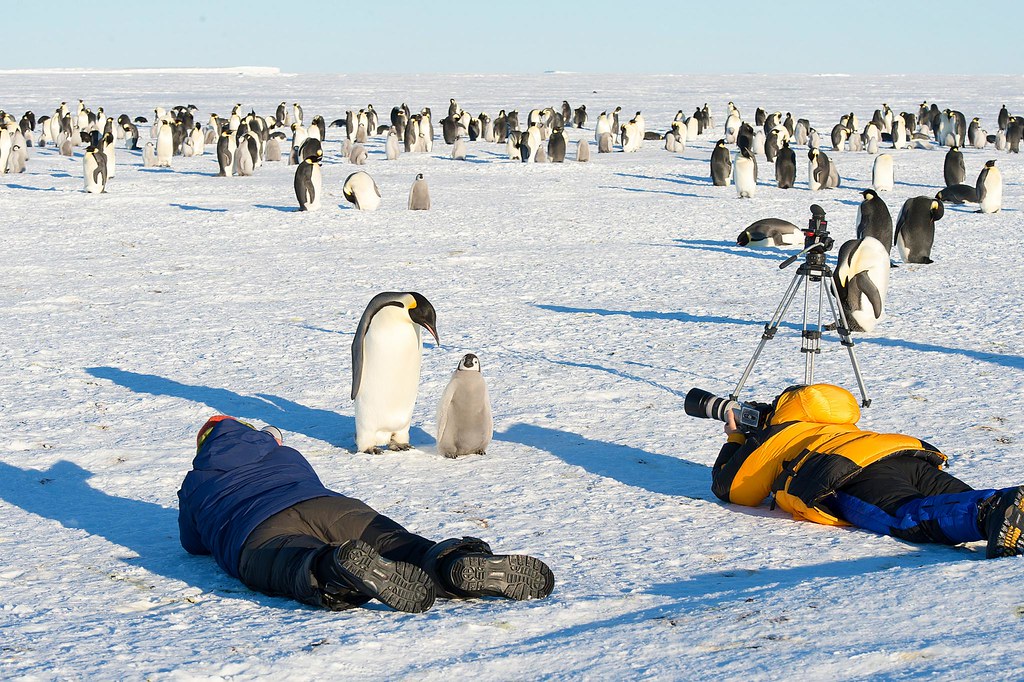
Learn how to become a wildlife photographer by mastering camera basics, animal behavior, ethical fieldcraft, portfolio building, and practical ways to earn from your work.
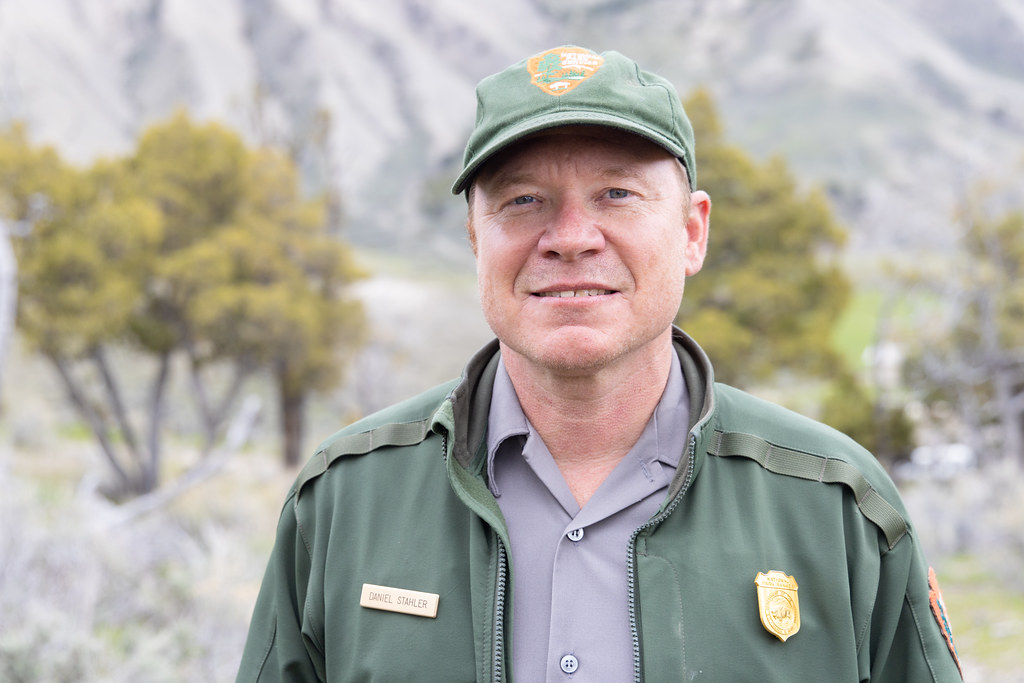
Most wildlife biologists need at least a bachelor’s degree in wildlife biology, zoology, natural resources, or a related field. Learn which courses, experience, and graduate degrees help.
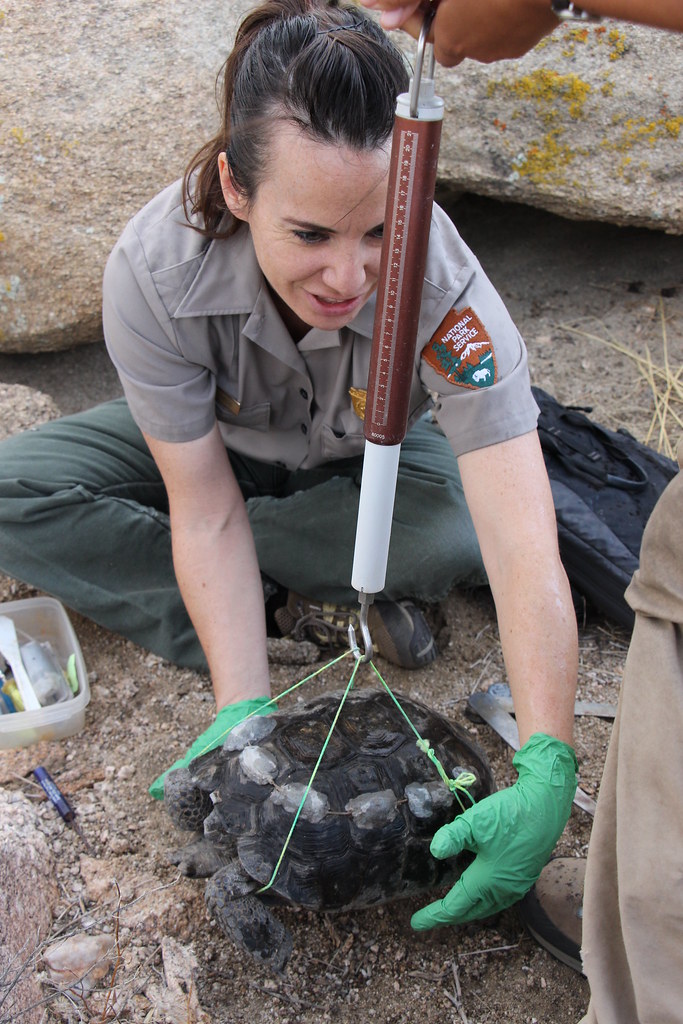
Wildlife biologists earned a $76,780 median annual wage in May 2025. See current 2026 salary ranges, industries, education, job outlook, and factors that affect pay.
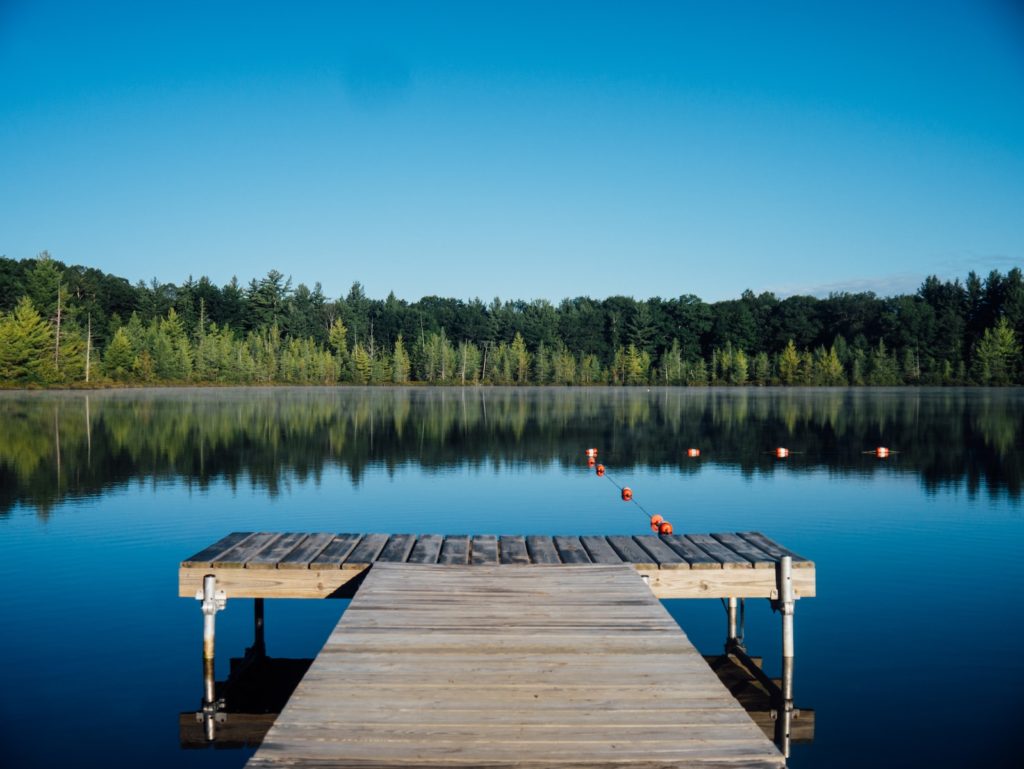
Land trusts have protected more than 61 million acres across the United States. Learn how conservation easements, land purchases, stewardship, public access, and local support protect habitat, water, farms, forests, and outdoor places.
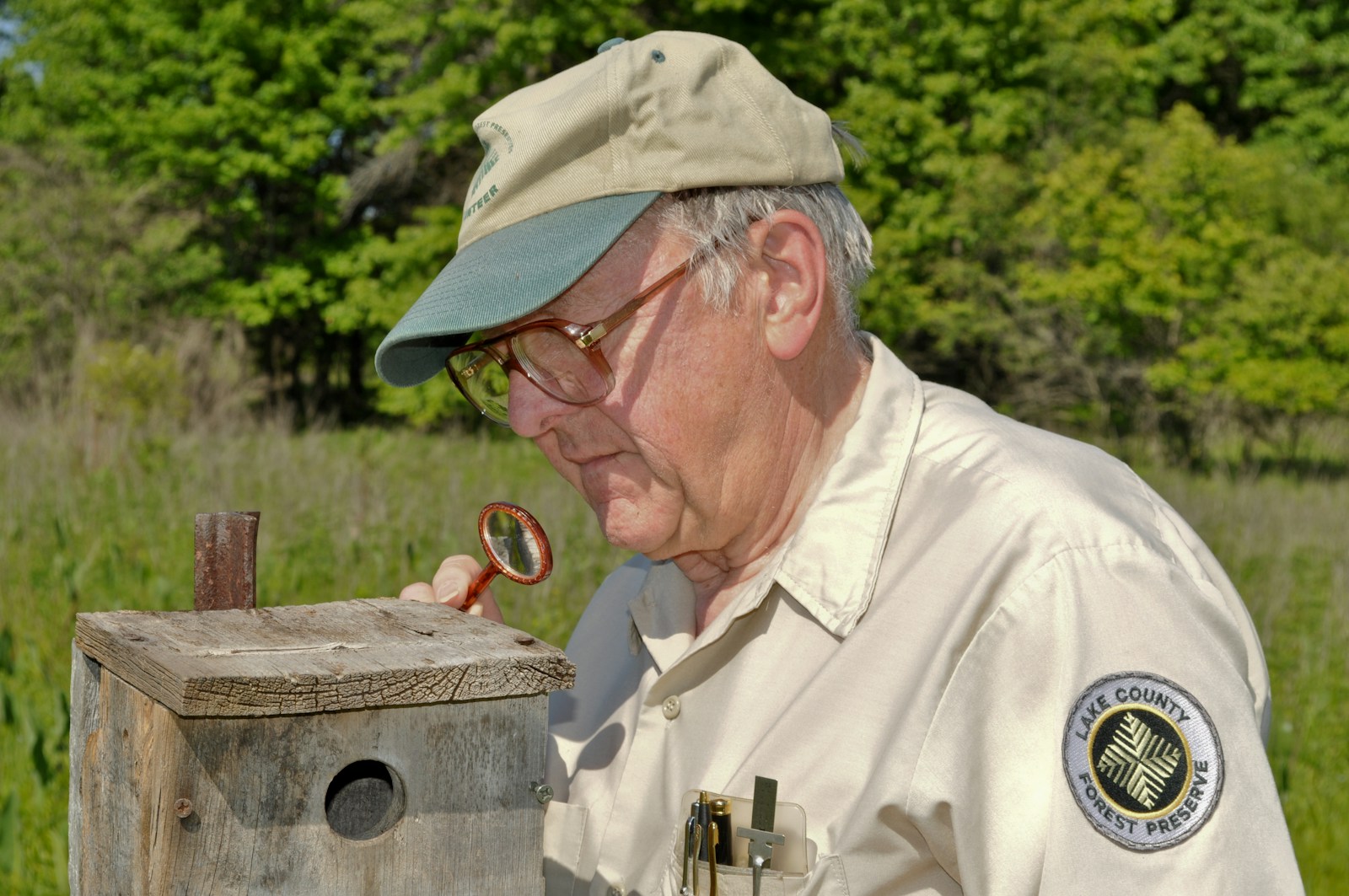
Wildlife conservationists monitor animal populations, restore habitat, collect field data, work with landowners, analyze research, write reports, and help shape practical conservation plans. Learn what the job looks like and how to prepare for the career.
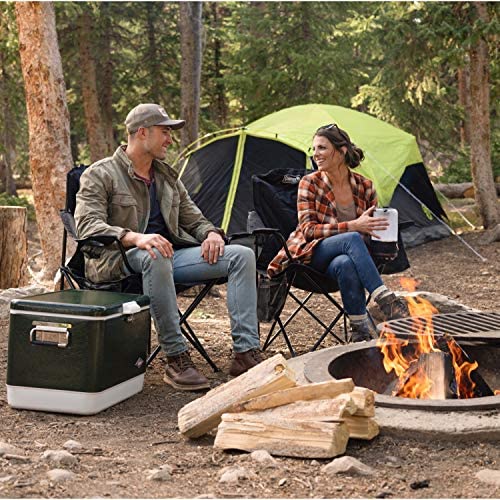
Outdoor recreation includes hiking, camping, fishing, paddling, hunting, cycling, wildlife watching, and other activities outside. Learn how to start safely, simply, and with respect for wild places.
- 1
- 2