
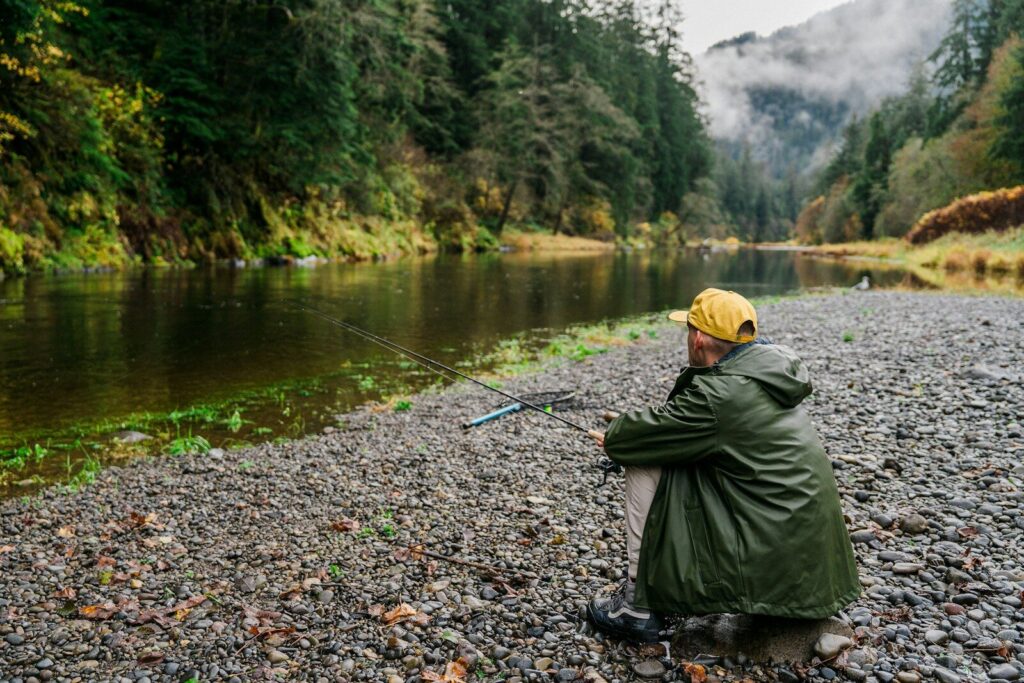
Oregon Initiative Petition 28, the PEACE Act, did not qualify for the November 2026 ballot after signature verification. Here is what the proposal would have changed and why hunters, anglers, farmers, and wildlife managers followed it closely.
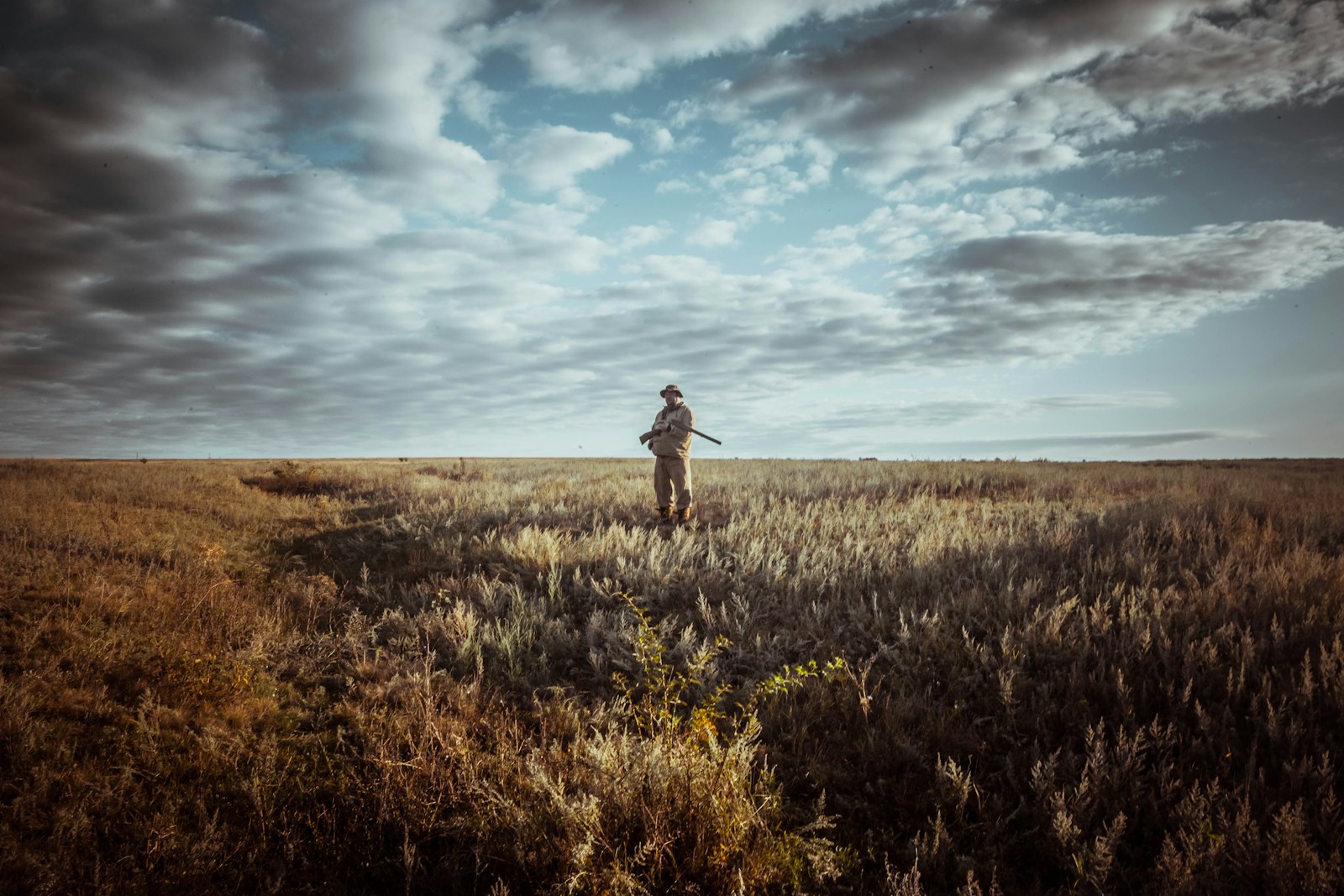
Hunters contribute to wildlife conservation through licenses, excise taxes, regulated harvest, habitat work, disease monitoring, reporting, and support for science-based wildlife management.

Learn how to become a wildlife conservationist through the right degree, field experience, technical skills, internships, and conservation career paths.
Land trusts have protected more than 61 million acres across the United States. Learn how conservation easements, land purchases, stewardship, public access, and local support protect habitat, water, farms, forests, and outdoor places.
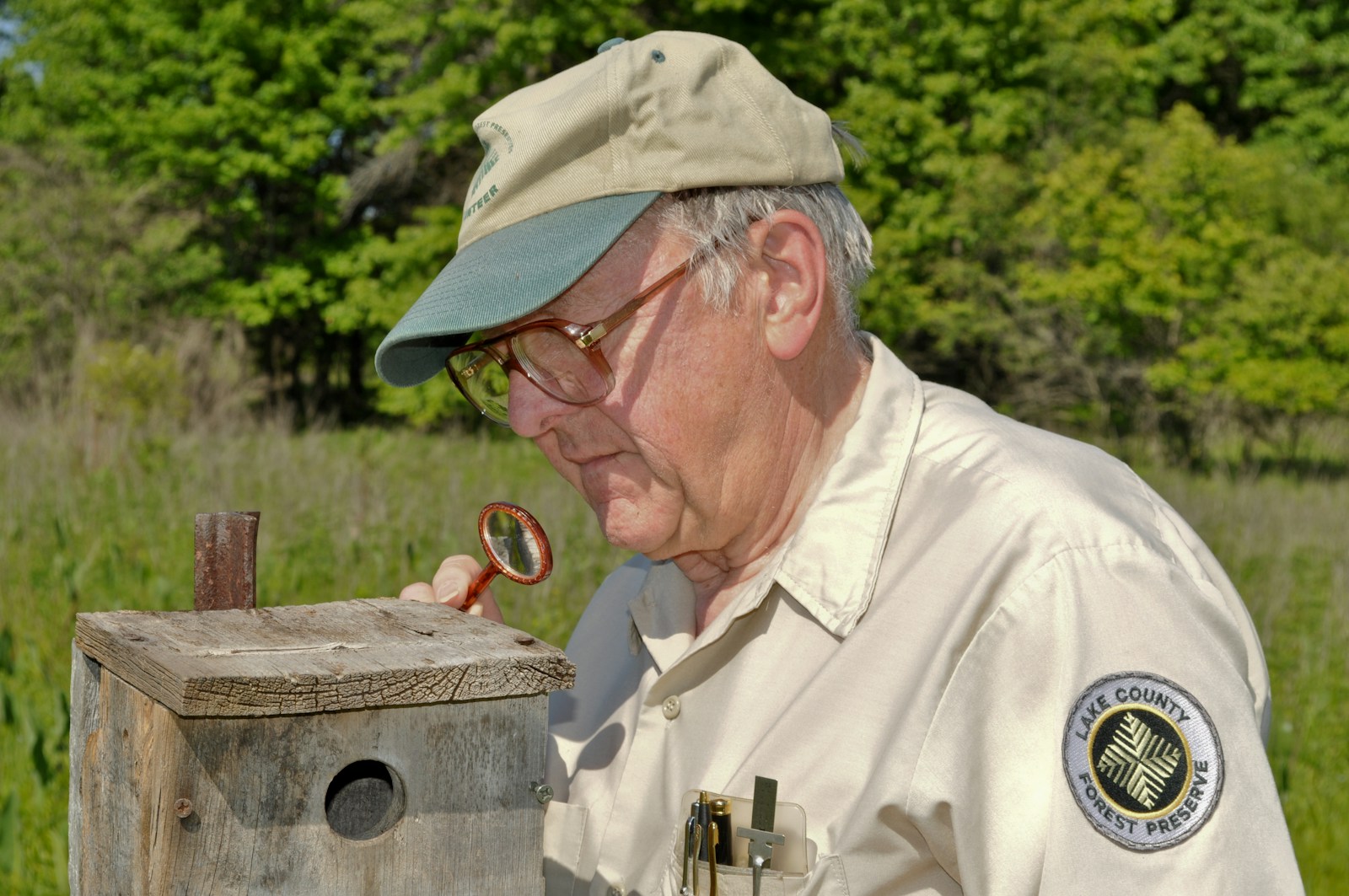
Wildlife conservationists monitor animal populations, restore habitat, collect field data, work with landowners, analyze research, write reports, and help shape practical conservation plans. Learn what the job looks like and how to prepare for the career.
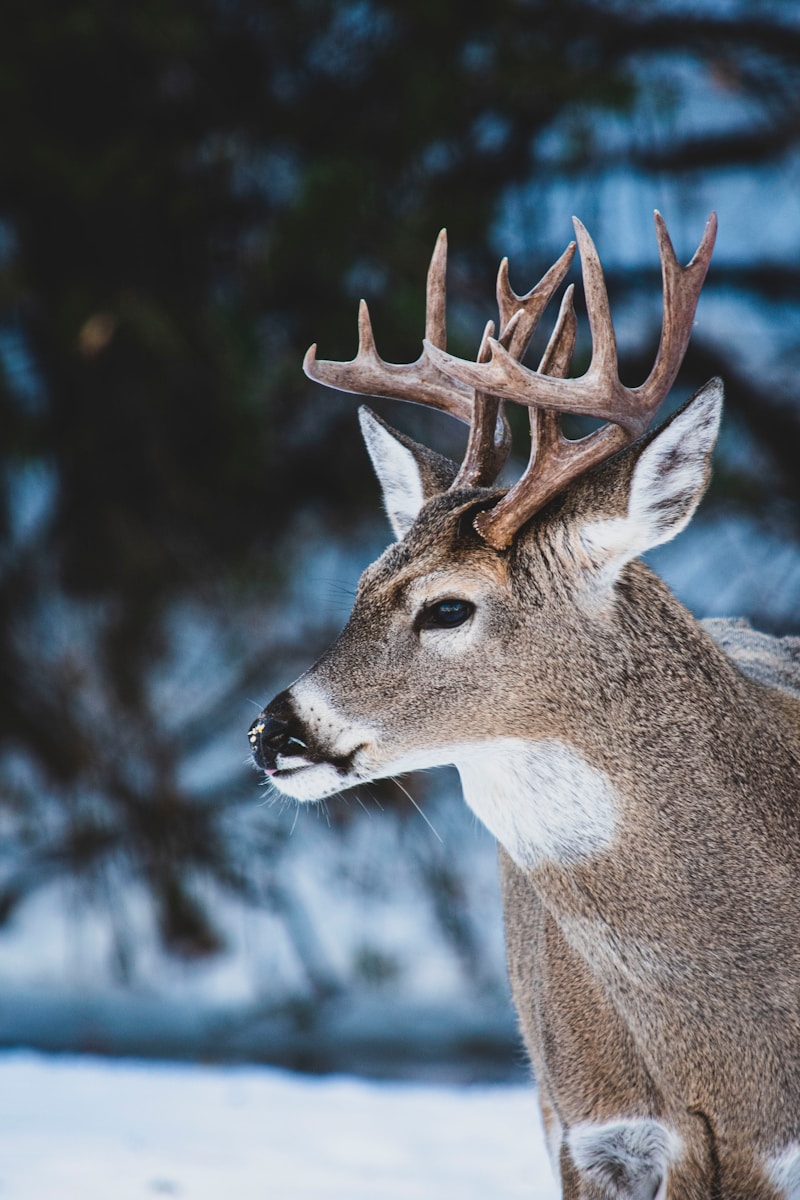
Chronic wasting disease rules can change how hunters test deer, move carcasses, process venison, and dispose of remains. Use this practical CWD guide to prepare before deer season.
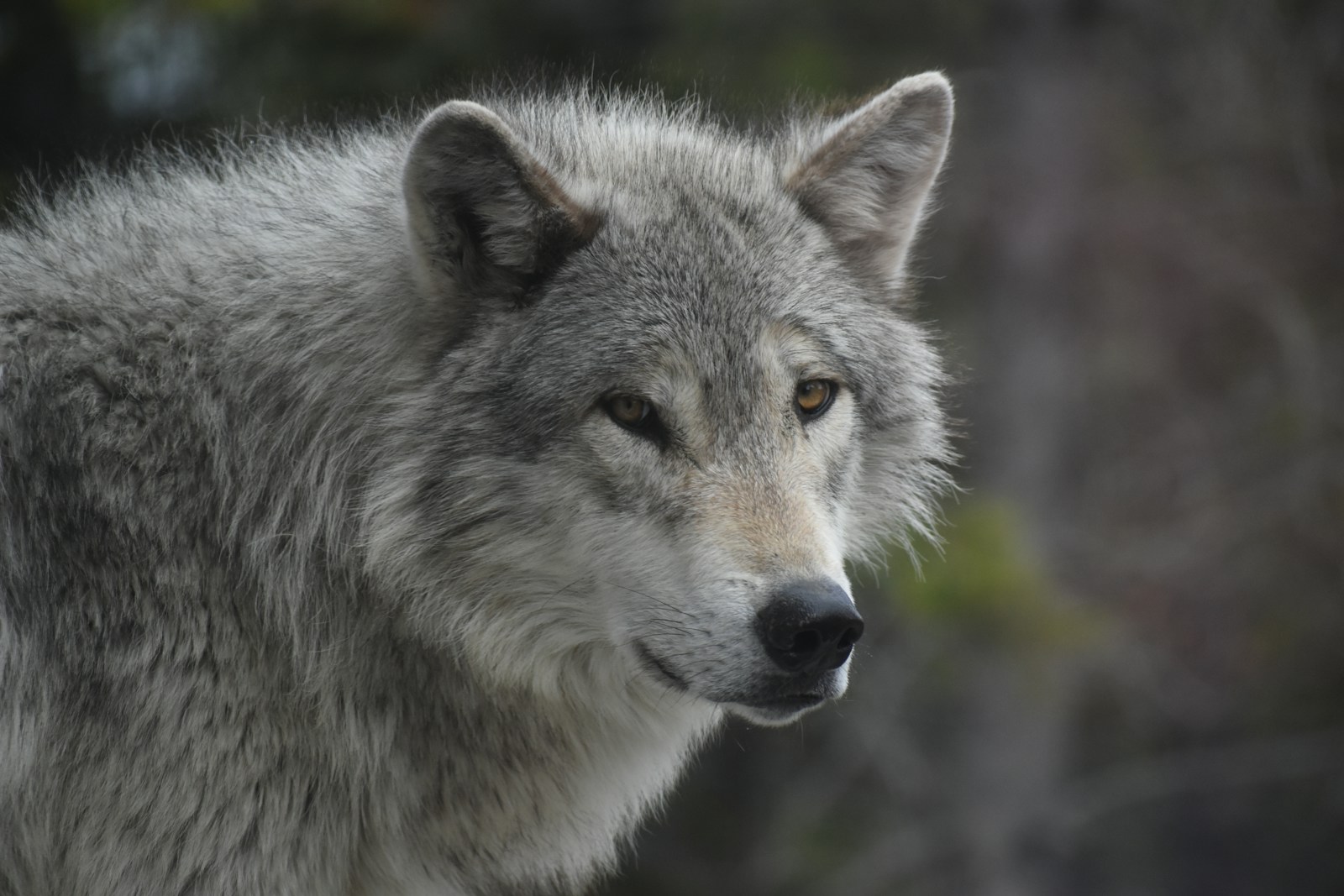
Gray wolf rules still differ across the West in 2026. Learn the current federal status, why the 2025 court ruling matters, and what hunters should check before a trip.
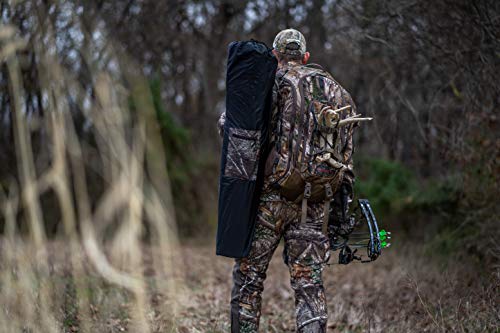
Learn how hunters support wildlife conservation through license fees, federal excise taxes, regulated harvest, habitat work, reporting, and responsible stewardship.