
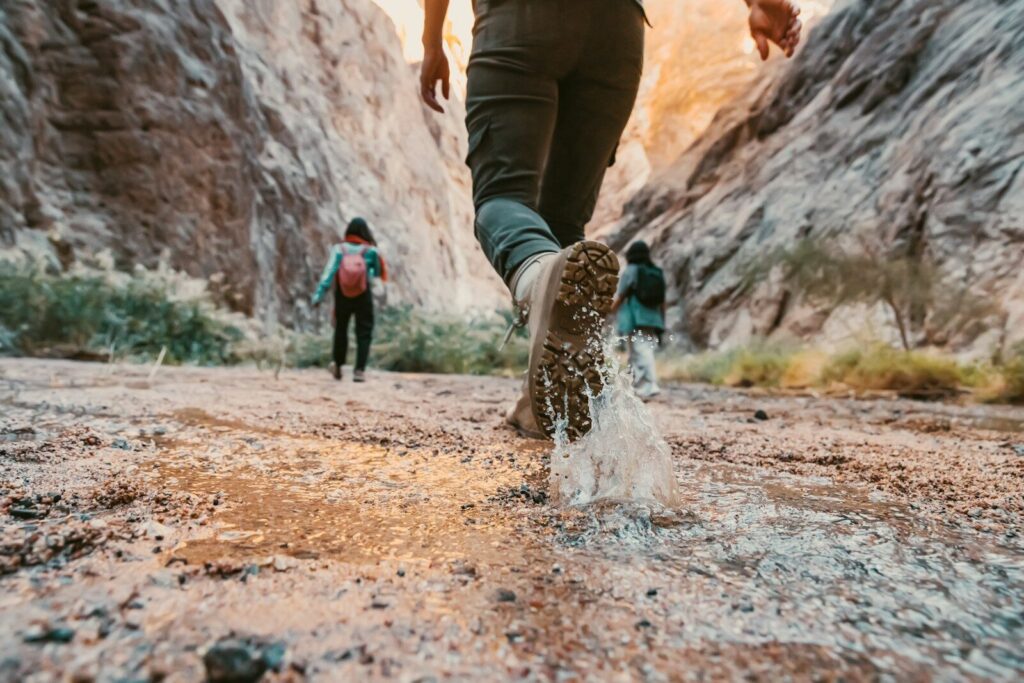
You can run short distances in hiking shoes, but trail runners are usually better for regular trail running. Learn how terrain, pack weight, fit, traction, and distance affect the choice.
Yes, you can run in hiking shoes for short trail runs and hike-run days, but trail runners are usually better for longer, faster, hotter, or more technical miles. Learn when each works best.
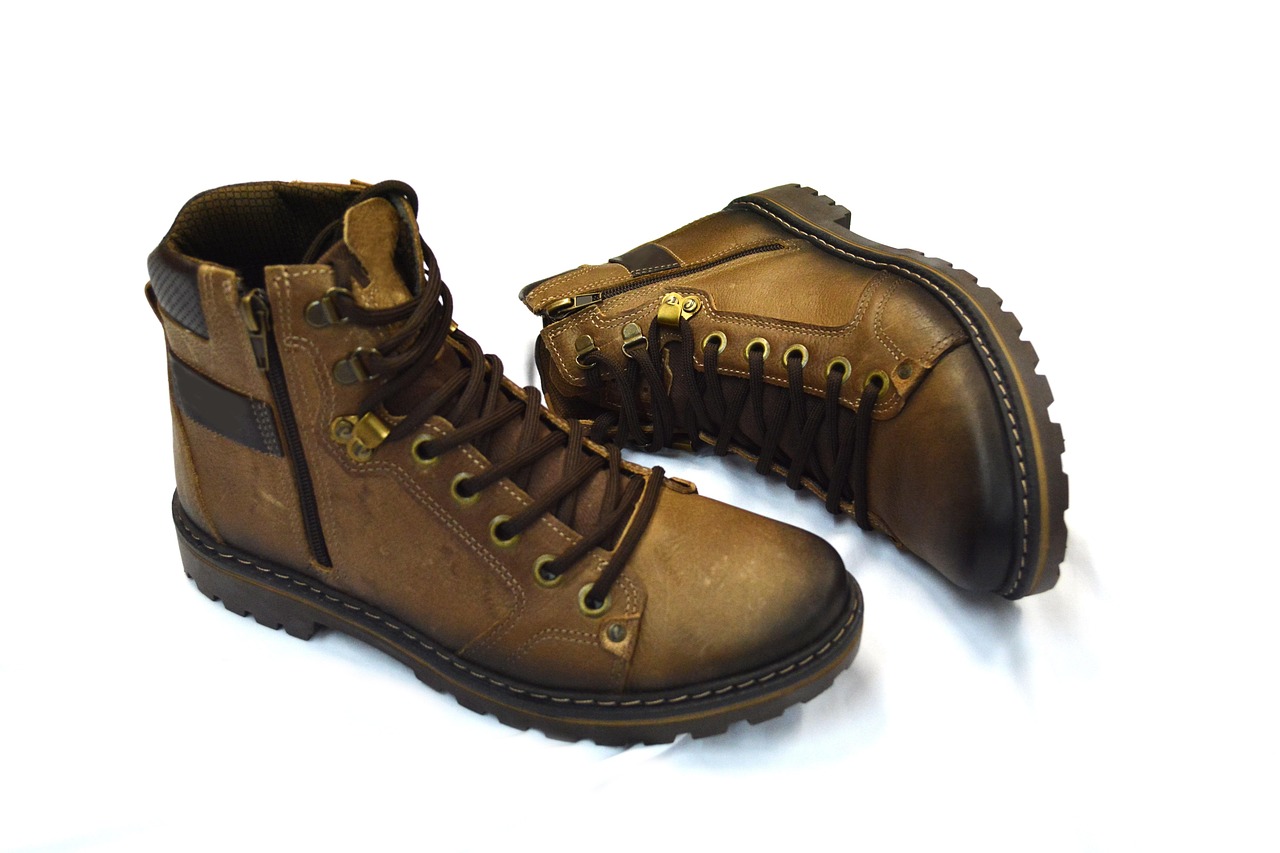
Combat boots can handle some hikes, but weight, traction, fit, heat, and drying time matter. Learn when tactical boots work, when hiking boots or trail runners are better, and how to prevent foot trouble.
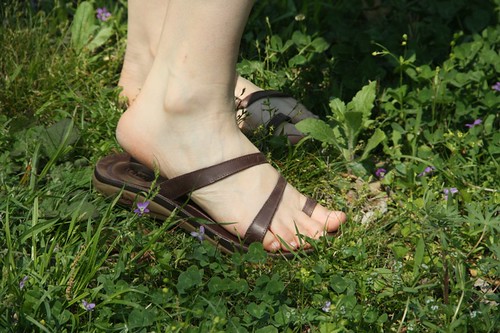
Chacos can work well for warm-weather hikes, water crossings, and maintained trails, but they have limits on rough, cold, muddy, or technical terrain. Learn how fit, traction, distance, socks, and pack weight affect the choice.

Dress for a 60°F hike with a wicking base layer, breathable pants or shorts, trail shoes, and a light wind or rain layer. Learn how wind, rain, sun, pace, and terrain change what you should wear.
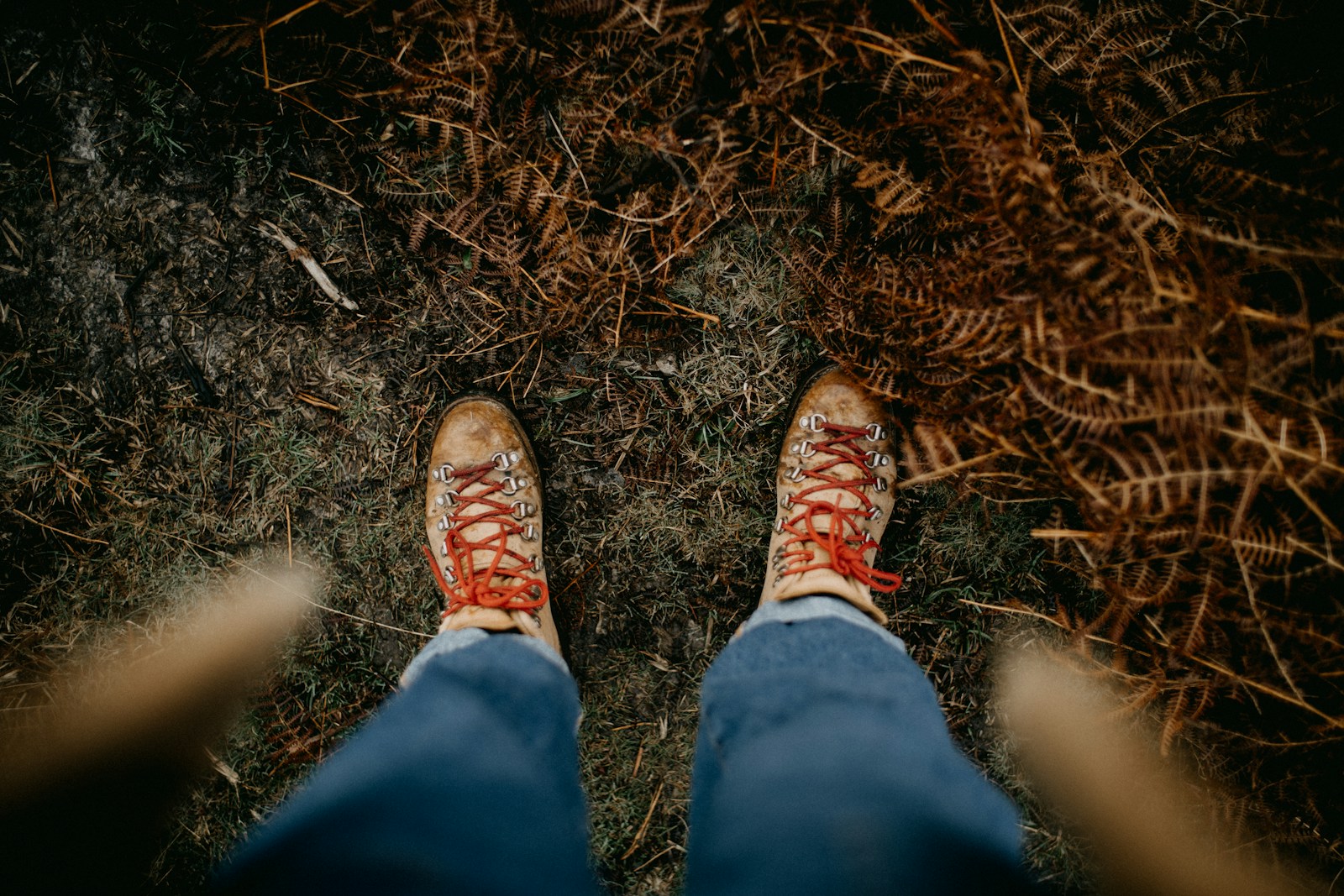
Blundstones can work for short, easy hikes, especially All-Terrain models with Vibram soles. Learn where they work, where hiking shoes are safer, and how fit, weather, and traction change the choice.
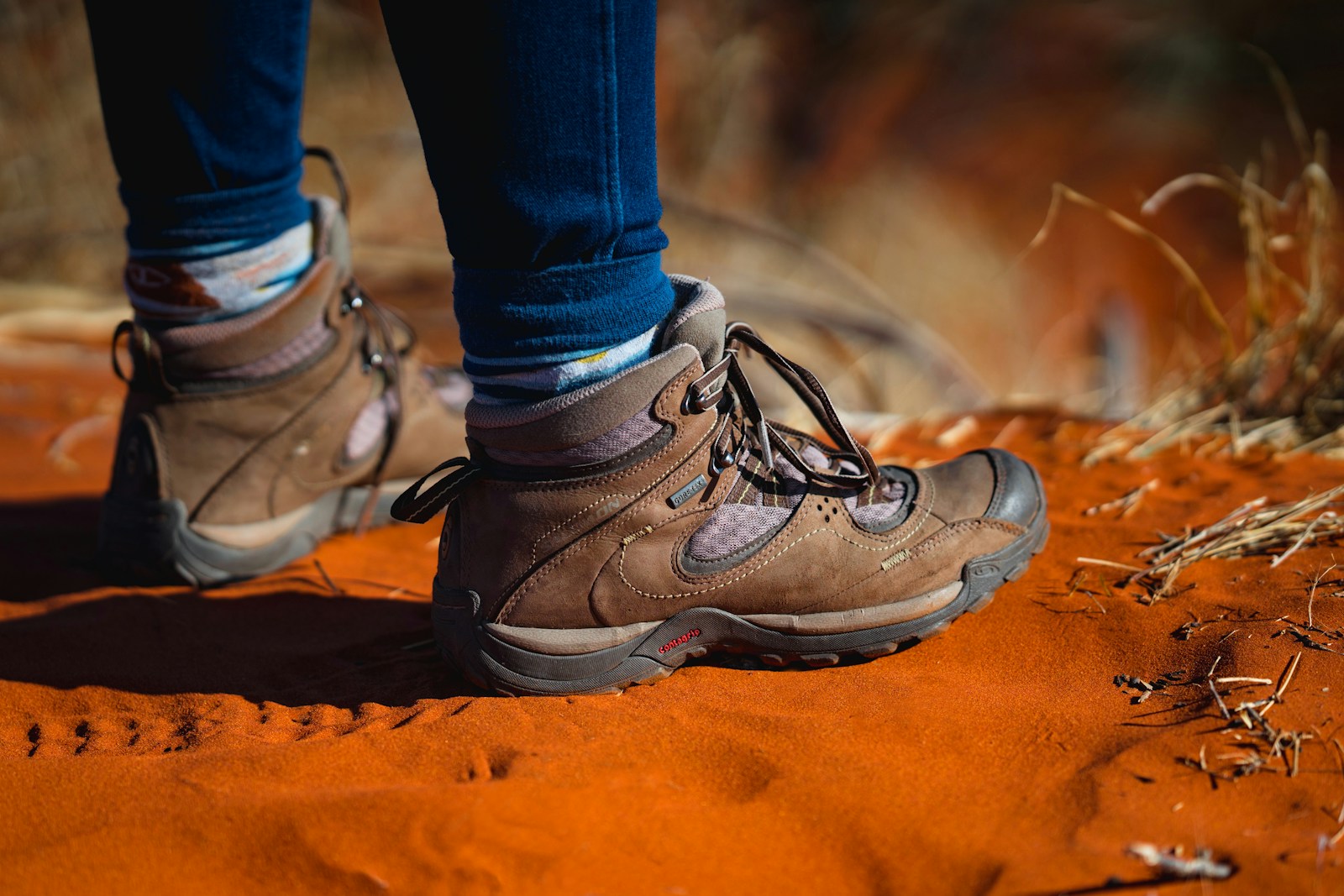
Choose the best hiking footwear for rocky trails, mud, sand, snow, desert, forest, and paved paths. Learn when boots, hiking shoes, trail runners, gaiters, and traction aids make sense.
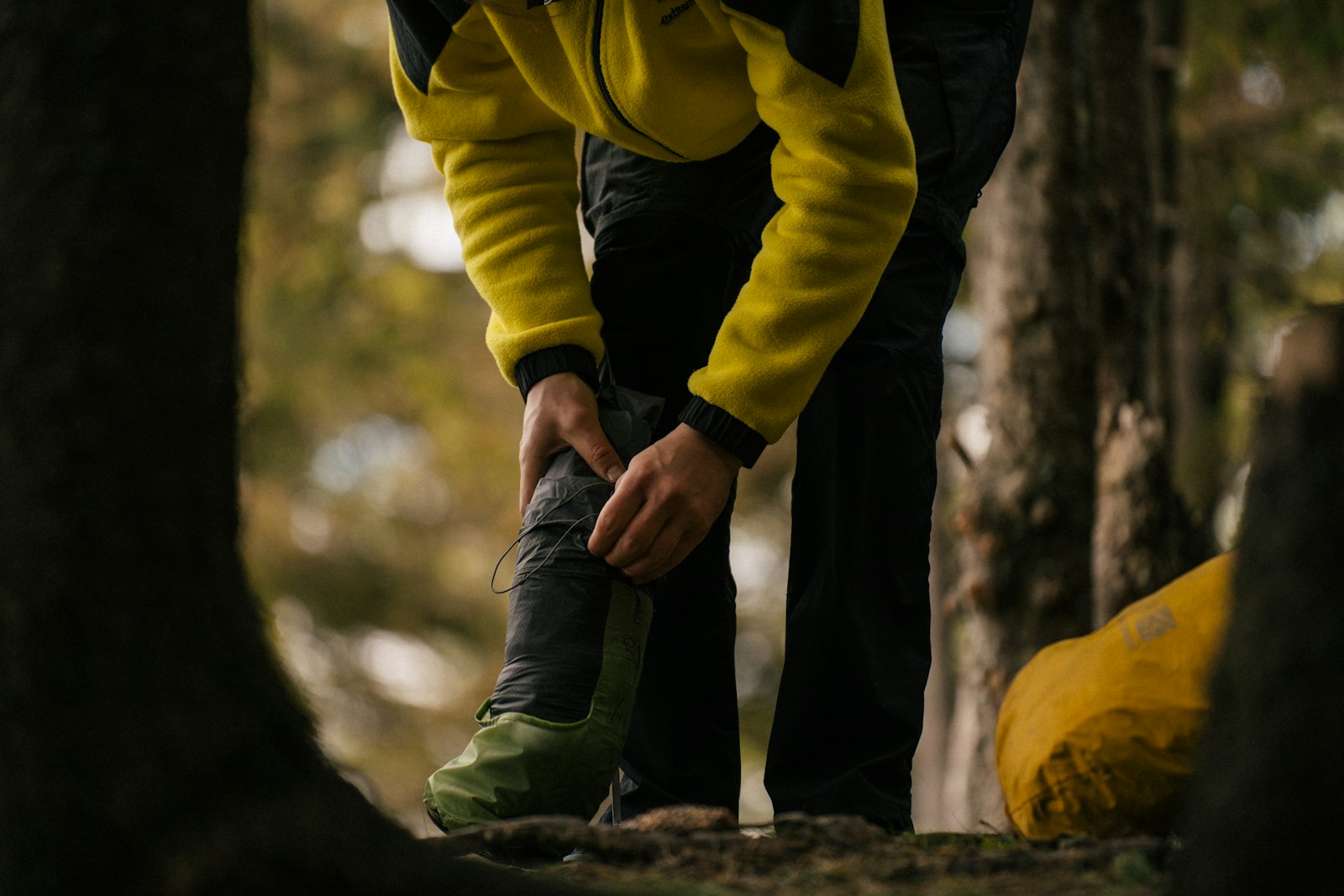
Learn how to prevent hiking blisters, stop hot spots early, choose better socks and shoes, treat a blister safely, and know when to seek medical care.